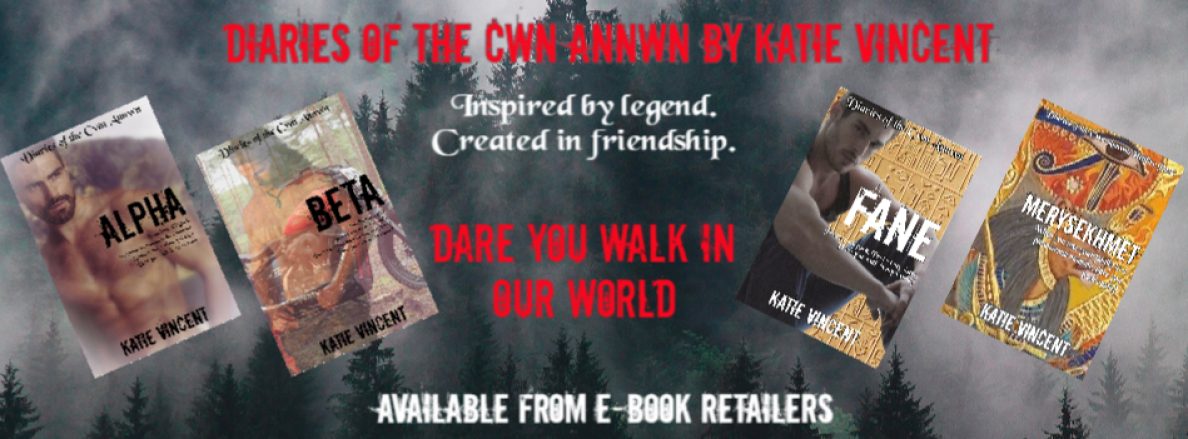

I started my ‘public’ writing career through the medium of Facebook roleplay. Five years ago, I didn’t even know that such a thing existed, but as a result of it, I have gained the courage that someone might actually like my writing. Now, I have five novels listed on Amazon.
Jo Pilsworth: Amazon Author Page
There is one major problem: Facebook doesn’t like roleplayers. As a group, roleplayers contravene so many rules that it can be mind-blowing. There are two angles for this attitude: one is altruistic and one is purely commercial. The altruistic rationale is the public face. The commercial reason is probably closer to the truth, considering that Facebook is a stock market listed company, and it exists to make profit to the benefit of its shareholders.
So, the altruistic reason. A roleplayer, by definition, is not a real person. They are writing under a pseudonym or the name of their favourite character from a book, film or TV show. There are other instances of ‘not real people’ who use the internet for nefarious purposes, e.g paedophiles who pretend to be teens, with a view to grooming their victims. Therefore, if you are ‘not real’, you must be bad. Sure, some might not be, but for the safety of little kids everywhere, let’s assume that anyone ‘not real’ is bad, and their account must be deleted.
Did that sound slightly bitter? Well yes, because this has caused me a problem. My writing is a sideline and not my main form of income. Some of my book characters are baddies, since every novel has to have a baddie somewhere in the process, particularly if your book will have a ‘happy ever after’. My ‘day job’ is in quite a conservative industry, where one’s customers need to have a particular image of the person and the company with whom they are working. So, I do write under a pseudonym. I also have used my pseudonym to build a following of people who like my stories. It is beyond annoying when, because Facebook have decided that my author pseudonym is ‘not real’, the account is deleted.
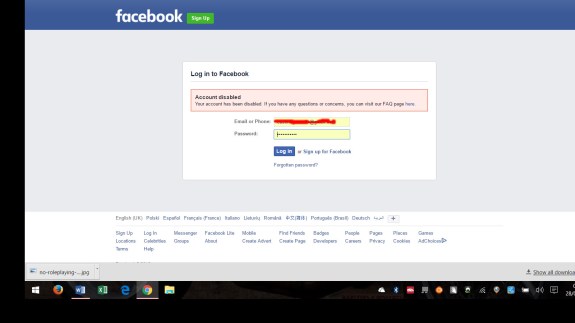
That’s what will greet you when the axe falls. That’s it. No going back. No right of appeal. No chance to plead that the contact list of followers that you have built up so that you can launch your book to a targeted audience is LOST. No chance of saving what you have published on that account, unless you were canny enough to back up your work. You were not a ‘real person’ and therefore, you must ‘die’.
This brings me to the commercial reason why this happens. Facebook is, as I have said, a commercial entity, a stock market-listed company, which exists to make PROFIT for shareholders. It does this through selling advertising, which increasingly, is targeted based on things that one has written on a profile post, or links clicked. Now, when writing under a pseudonym, the ‘likes’ and clicks on posts might not reflect what you, as an individual, actually like. Therefore, from an advertiser’s perspective, they are being misled that you are a potential target customer. They could become a tad cross with Facebook for ‘selling’ a misleading demographic, and thus, take their advertising monies elsewhere. That would be bad for Facebook and their profit-making potential.
So, accounts belonging to ‘not real’ people must be eliminated, and then they can sell a ‘true’ range of demographics to their advertisers. Happy advertisers means more profit, which means happy shareholders. Perhaps that is a simplistic view, but that’s what it seems.
Please do not misunderstand me. There are some sick individuals out there, who do prey on people. Equally, there are people who, through the medium of roleplay, are able to work through some fairly traumatic situations in their own lives, or find a way out of depression, because someone likes a piece they have written. In recent days, I have seen the roleplay community being the ones who publicise what is happening in natural disasters like the Louisiana Floods because it is not of interest to the message in mainstream media. Another, now defunct, group did a fantastic series of pieces on bullying, highlighting it as a problem not just for children but for adults also.
The point is that the ‘fake’ profile is not necessarily a bad person. As I said, sometimes I write under a pseudonym, and sometimes I write as the ‘real me’. For the sake of avoiding the stalkers, hiding behind another identity, would one avoid all people because they might be a stalker? I doubt that one would.
Facebook should remember that some of those pseudonym authors might actually be their potential advertisers, although sadly, that is no guarantee that they will not delete your account. Please, Facebook, leave us to write our stories in peace. We mean no harm, and who knows, maybe your precious advertisers might find that our followers are their target audience.

 Katie Vincent: The Autistic Romance Author